About “Grandma” Prisbrey
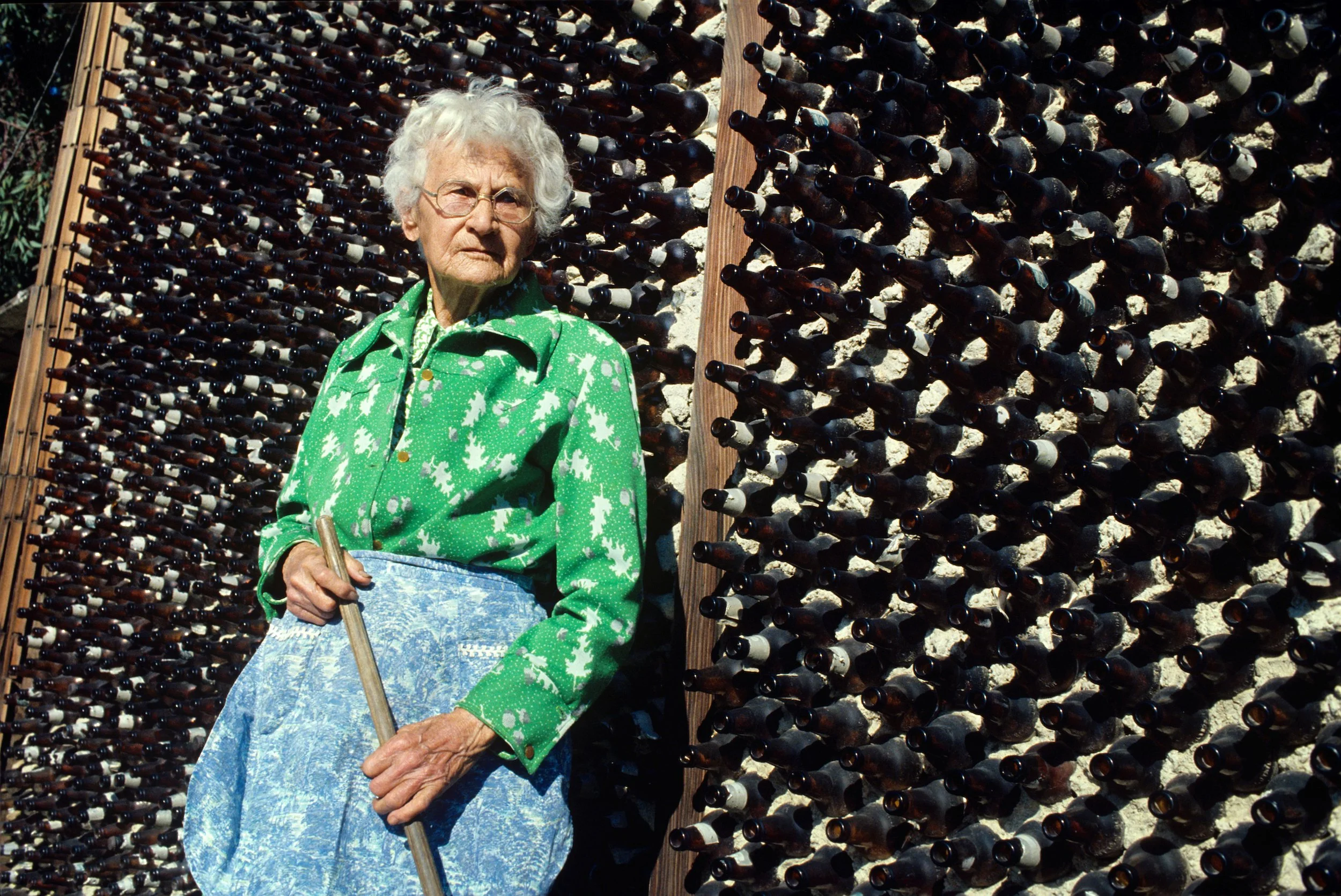
"At the root of her uniqueness is a divine disorder; she has a passion for all discarded objects and shows a willingness to provide them all, equally, a place in her scheme. And there is a scheme, as tough and calculated as a carnival grounds layout, and springing from the same impulse of showmanship. Yet she is an historian, a naive recorder of the present as Edward Kienholtz is a sophisticated recorder of the past; her art is one of inclusion, his of exclusion."
— Esther McCoy, Architectural Historian
Biography
Tressa Luella Schaefer was born in the farming community of Minnesota to parents of German heritage in 1896. Her long life could be described as anything but ordinary – even before she began to fashion her famous bottle village. The youngest of eight children, she soon moved with her family to homestead in Minot, North Dakota. At fifteen years old, she married her first husband, her sisters former husband 52-year-old Theodore Grinolds in Minot, North Dakota. The marriage with Theodore only lasted 14 years and within those years she bore seven children. After Theodore's passing in 1931 at age 72, Prisbrey and her seven children moved west to Seattle where she married an unnamed and unemployed man. Their marriage was very short lived. Prisbrey took her children and worked part-time as a waitress, entertaining by singing and playing the piano. She also had a stint working for Boeing in Seattle during WWII. Over the course of her life, she had witnessed the passing of six out of her seven children (4 boys, 2 girls).
In 1946 she moved south to the town of Santa Susana, California, (now the City of Simi Valley) and stayed at her older sister Hattie Hansens property on Alamo Ave in a trailer. Works at the nearby Tapo Citrus Packing Plant with her sister Hattie for a short time. Married her next husband, Albert Prisbrey in 1947 and they built a small cement block home on Alamo and sold that to purchase the land on Cochran Ave. that the Village was later built on. The couple parked their trailer there, and in hopes of "settling down" Grandma Prisbrey removed the wheels of the trailer and hid them. In 1956 the construction of her now-famous Bottle Village began, first as just a small structure to house her collection of 17,000 commemorative pencils. "I went to get cement blocks to build this house for my pencils and my God, they were so expensive, so I went over to the dump, and I thought, 'I'm going to make it out of bottles...'" And she did, beginning with bottles discarded from her husband's "bad habit", then moving on to comb through the nearby dump for materials and inspiration. The result of 25 years of work was 15 sculptural buildings, mosaic walkways, shrines, planters, and various assemblages which made up Grandma Prisbrey's Bottle Village.
The Village was very well established by 1961 when she wrote her story of its origins, but Prisbrey kept adding structures and making all sorts of changes into the 1980s. She had moved away with her son to Oregon in 1972, but later came back in 1974 to live as a caretaker in a trailer within the village where she continued adding sculptures, flower planters and assemblages.
The Bottle Village and “Grandma” started getting serious national attention as a valued folk-art environment and she began status as a pop icon in the early 1970’s. By 1980 Prisbrey was charging adult visitors one dollar, teens 50 cents and children 25 cents for tours which often ended with her at the piano, performing risqué songs from the 1920s for her visitors. In 1981, it became a California State Historical Landmark, where it stood until 1994, when a devastating earthquake caused considerable damage to the Village. Since then, efforts from FEMA and many others have been made to repair the Bottle Village to its original quality, though some politicians have fought against the restoration, considering it a "waste of money”.
In 1982 Prisbrey, in poor health, left Simi Valley to live with her daughter Othea "Babe" Krieger and son-in-law Walter in San Francisco. In July 1986 the property was gift-deeded to the nonprofit group, Preserve Bottle Village. In October 1988, Prisbrey died from complications of a stroke at a convalescent hospital in San Francisco.
Timeline
1896
February 1 – Thresie (Tressa) Luella Schafer born in Easton, Minnesota, the youngest child (of eight) to Catherine and Matthew Schafer.
1908
Family moves to a homestead near Minot, North Dakota.
1912
Tressa, at fifteen, marries Theodore Grinolds who is 52 years old.
Over the next 13 years, the Grinolds have seven children: Earl (b.1913), Raymond (b.1914), Frank (b.1916), Velma (b.1918), Othea (b.1920), Florence (b.1925) and Hubert (b.1926).
late 1920’s
Leaves Theodore, settles in Minot with her children. She works part-time as a waitress and entertains by playing piano and singing.
1931
Theodore Grinolds dies (71).
late 1930’s
Moves to Pacific Northwest
1946
Moves to Santa Susana (now Simi Valley), California. Lives in a trailer parked on the property of her sister Hattie Hansen and works at Tapo Citrus Company.
1947
Marries Albert Prisbrey.
1954
Begins building a cement block house on Alamo Street. Al Prisbrey helps her complete the house.
1954–1955
Sells the house on Alamo to pay hospital bills and finance the purchase of a 1/3 acre lot on Cochran Street. Daughter, Velma Breen dies (36).
1956
Tressa begins building Bottle Village on the lot at 4595 Cochran St. Most of the major construction completed by 1961. Eventually, 13 buildings and at least 22 sculptures will comprise Bottle Village.
circa 1961
Tressa Prisbrey, now known as “Grandma” Prisbrey writes and self-publishes her own story about the construction of Bottle Village. The book mentions 13 structures, as well as the gardens, walkways, and most of the shrines. At this point, six of her seven children are still alive.
1964–1969
Daughter, Florence “Mickey” Madison dies (39). Son, Raymond Grinolds dies (53). Husband, Albert “Al” Prisbrey (b.1905) dies in automobile accident. Son, Frank Grinolds dies (53). Son, Earl Grinolds dies (56).
1972
Grandma Prisbrey sells the Bottle Village property & moves to Oregon to care for her ailing son Herbert. She would not own the property again.
1974
Son, Hubert “Gene” Grinolds dies (48).
Tressa returns to Bottle Village to live as a caretaker. Resumes giving tours and begins to obtain a different kind of notoriety – the acceptance of her work by art scholars.
1974–1979
Work featured in five major exhibitions, two of which travel to Europe.
(see Resources page for exhibitions)
1979
May – Grandma Prisbrey’s Bottle Village made Ventura County Cultural Landmark No.52.
June – Bottle Village made official landmark of the City of Simi Valley.
July – Non profit organization, Preserve Bottle Village Committee (PBVC) is founded. Begins task of trying to raise money to secure property, as well as being a support group for the ailing artist. At 83 Tressa Prisbrey had begun to experience some small strokes.
1980
June – Receives a grant for $4,300 from the National Endowment for the Arts, to design and supervise the construction of a Bottle Mural in the newly completed Simi Valley Library.
Built on site by Artists Jeff Wack, Lawrence Carroll and Art Professor Donal Lumbert from Moorpark College
1981
February – Grandma Prisbrey’s Bottle Village declared California State Historical Landmark No.939
1982
May – Friends and family report a rapid steady decline in Tressa Prisbrey’s health. “Grandma” leaves her Bottle Village for the last time. At the age of 86, She goes to live with her one surviving daughter, Othea “Babe” Krieger in San Francisco.
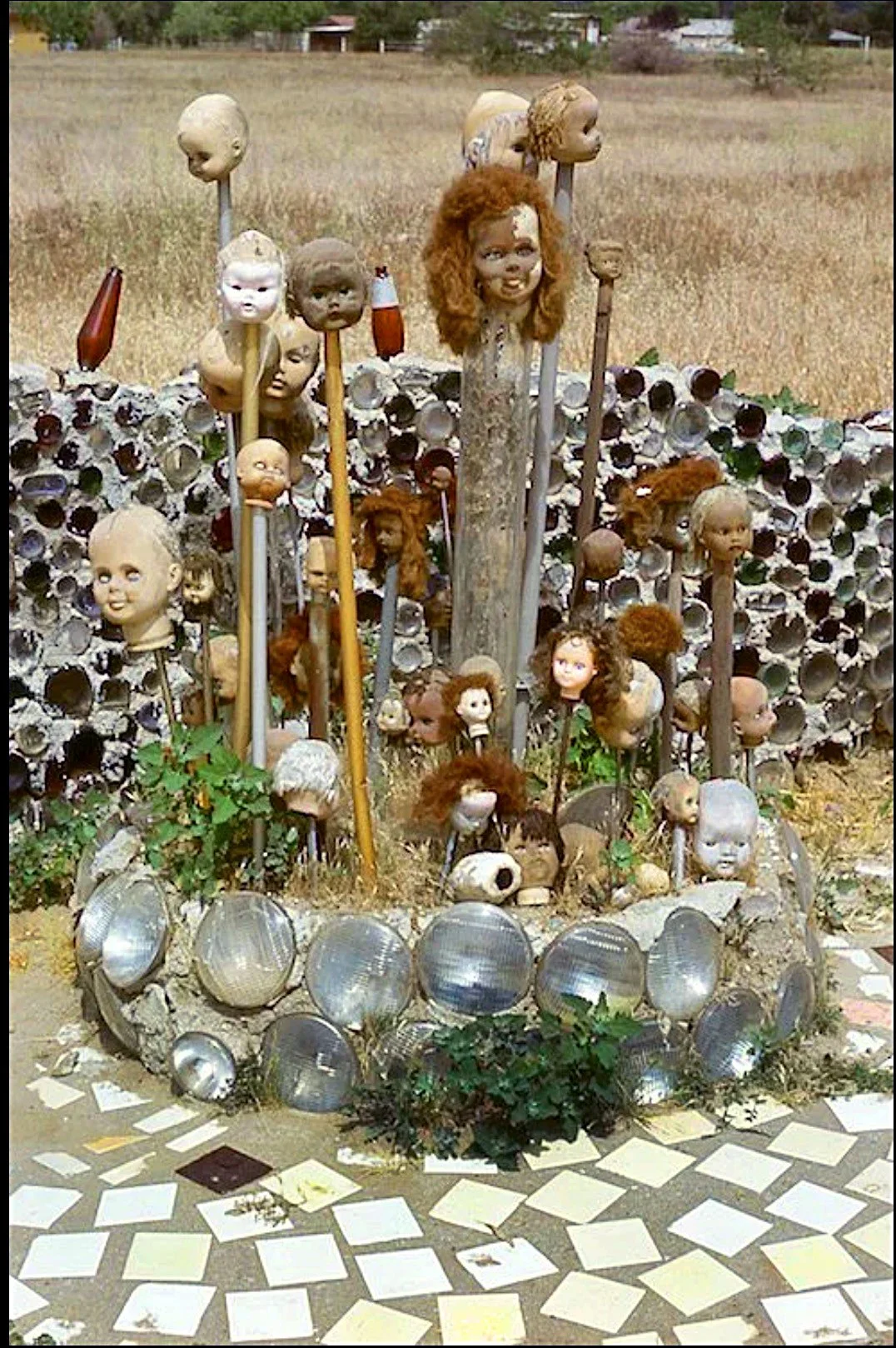
Dolls Head Shrine featured on the cover of LP single “Mexican Radio” by rock band Wall of Voodoo.
1986
January – Sister, Hattie Hanson dies.
July – Preserve Bottle Village Committee become property owners as the result of a gift deed from the local
bank.
1988
October 5 – At the age of 92, Tressa “Grandma” Prisbrey dies in a nursing home outside of San Francisco.
1988–1994
Bottle Village overseen by a small but dedicated handful of people, who conduct educational events and other tours onsite and work with the City [of Simi Valley] to acquire various Use Permits to allow greater public access.
1994
January 17th – A 6.7 magnitude earthquake strikes the area. The epicenter is 8 miles from Bottle Village and causes serious damage.
1995
March – FEMA awards Bottle Village $18,900 to conduct an Architectural and Engineering report that studies the possibility of a large scale rebuilding. The stellar and experienced rebuilding team consists of:
Bud Goldstone – Watts Towers Structural Engineer
Zuleyma C. Aguirre – Watts Towers Conservationist
Al Okuma – Architect
Marvin Rand – Photographer
Mo Shannon – MOCA Collections Expert
1996
October – Grandma Prisbrey’s Bottle Village accepted onto the National Register of Historic Places.
November – After 2 & 1/ 2 years of working with FEMA, Preserve Bottle Village signs for the approved $485,000 in earthquake repair money.
1997
January – Local Congressman Elton Gallegly writes Bill HR175 against Bottle Village receiving any Federal Money, calling this money a “waste”.
March – Even though this Bill is tabled, FEMA rescinds the grant. Citing the fact that Bottle Village had been “unopened” since 1984, and citing political concerns. During this time Bottle Village receives excellent National Press from NPR, New York Times (Brown, Patricia Leigh. “Reading the Message in the Bottles”. February 6, 1997 ppB1, B8) and People Magazine. (Zutell, Irene. “Bottle Battle”. June 23, 1997. p113).
May to December – Preserve Bottle Village files appeals to FEMA, successfully appealing $18,900 yet not overturning FEMA’s decision on the larger sum.
1998 – Present
Preserve Bottle village continues preservation efforts, speaking with private foundations.
For more information or to volunteer or donate, go to the Official Website for Grandma Prisbrey’s Bottle Village or their Facebook Page.
Exhibition History
Grandma Prisbrey’s Bottle Village: Art World Acclaim
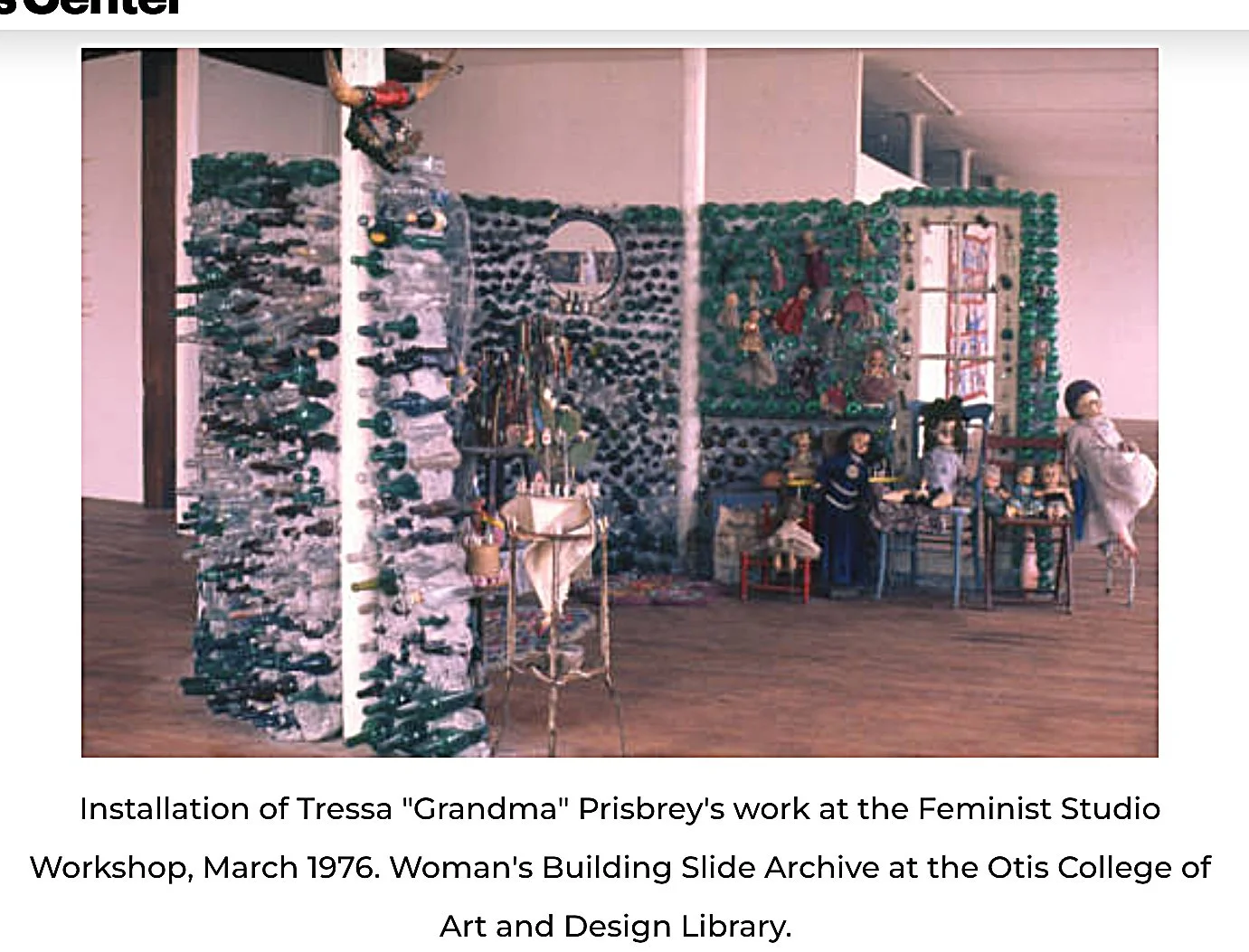
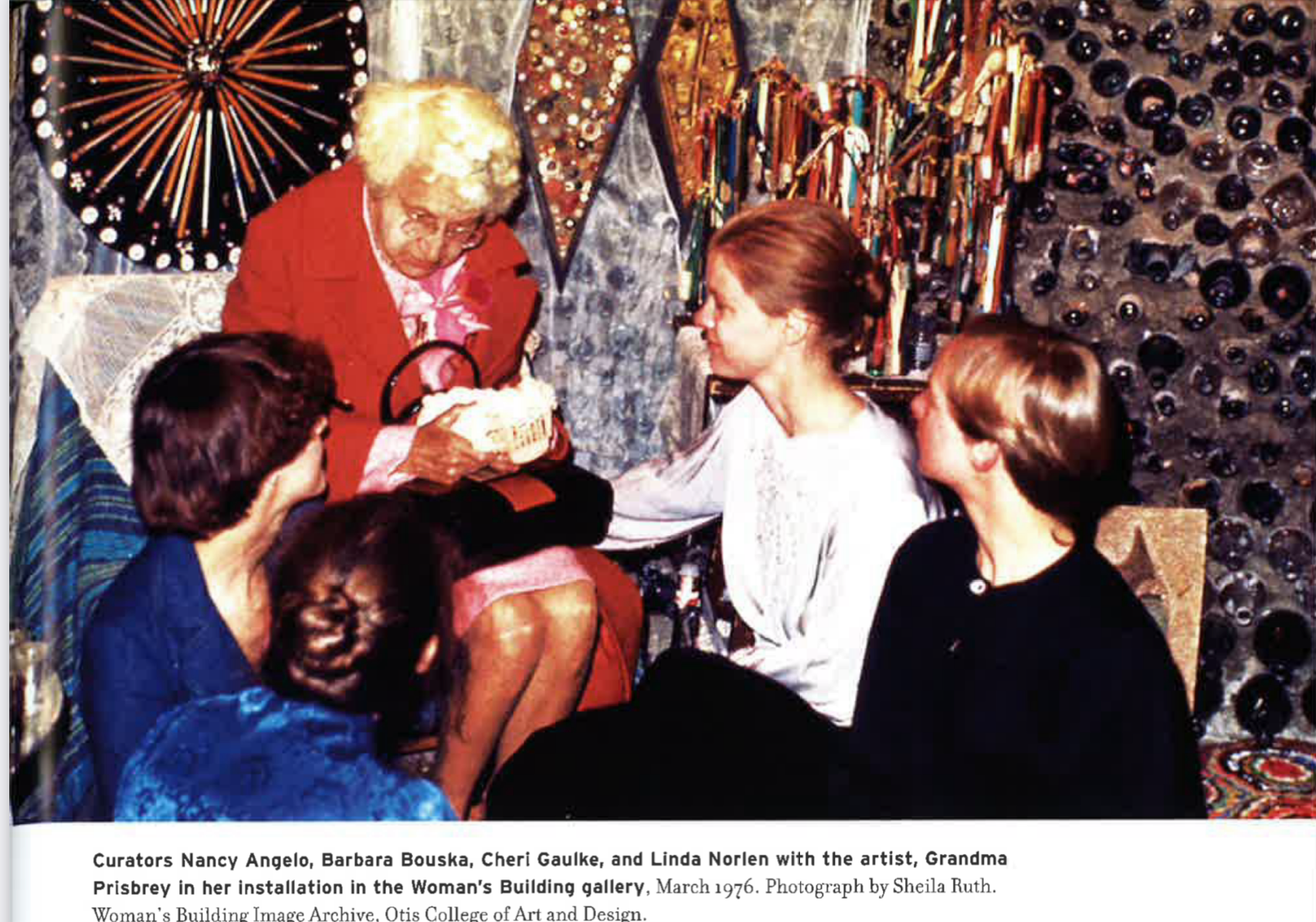
Tressa “Grandma” Prisbrey’s Bottle Village is among the earliest recognized female-made art environments. Long considered an important American artist, Grandma Prisbrey received her first major exposure over fifty years ago. The Walker Art Center, in Prisbrey’s home state of Minnesota, held Naives and Visionaries in 1974 and for their catalog, noted architectural critic Esther McCoy devoted an entire essay to Bottle Village. In 1976, the Los Angeles Women’s Building, a feminist space co-founded by artist Judy Chicago with Arlene Raven and Sheila Levrant de Bretteville, devoted a solo show to Prisbrey. The lauded mother and daughter artists Betye and Alison Saar credit Grandma Prisbrey as a primary inspiration.
Photographer Seymour Rosen, one of the first to acknowledge and advocate art environments, called Bottle Village “an above-ground archaeological dig where residents of Simi Valley discovered bits of family history they had discarded and sent to the dump years earlier.” For the 1976 U.S. Bicentennial Celebration, Rosen curated In Celebration of Ourselves at the San Francisco Museum of Modern Art. His take on California’s contemporary cultural geography, the exhibit featured a variety of everyday but unorthodox creative practices just off California’s streets. Rosen’s exhibit prominently featured Grandma Prisbrey’s Bottle Village, which by the early 1980s possessed local and statewide historic landmark status.
In the early 1990s, a resurgent interest in the self-taught was an art world zeitgeist. Beginning then, and regardless of the 1994 earthquake substantially damaging it, major monographs across the Western World on outsider art, visionary art, and art environments, plus many American folk art encyclopedias, all recognized Grandma Prisbrey’s Bottle Village. During that time, regional architecture, travel, and curiosity guidebooks constantly covered her creation, which in 1996 was listed upon the National Register of Historic Places.
Perhaps more than this acclaim, Grandma Prisbrey undertook her transformative, multi-decade project while never considering herself an artist. “They call me an artist even though I can’t draw a car that looks like one. But I guess there are different kinds of art.” Grandma Prisbrey’s Bottle Village is a testament to the importance of creativity in everyday life, that Bottle Village and all of us, together exist.
"Any of you kids know where babies come from?
No?....well they grow on trees"
Grandma Prisbrey
1974-1976 “Naives and Visionaries,” sponsored by the National Endowment for the Arts and the Walker Art Center, Minneapolis, MN
1975 "America Now", sponsored by the U.S. Information Agency (traveling Europe exhibition)
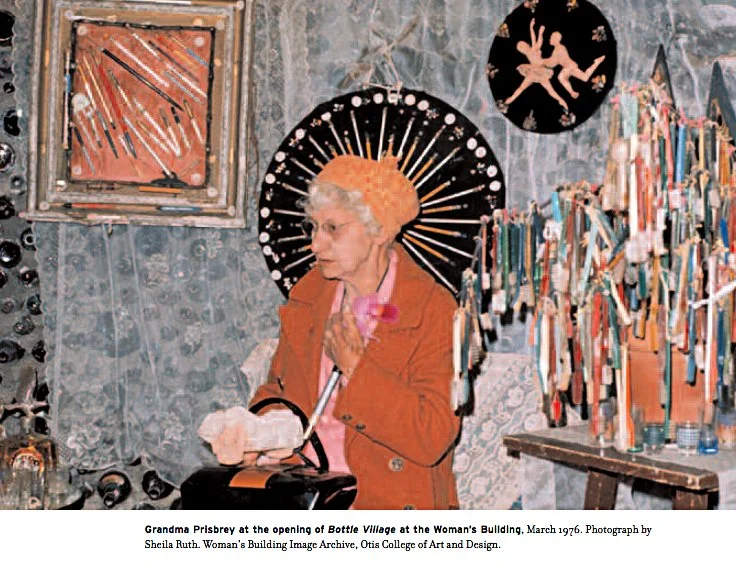
1976 "Grandma Prisbrey", Woman's Building, Los Angeles, CA (solo exhibition)
1977 "In Celebration of Ourselves", Museum of Modern Art, San Francisco, CA
1979–1981 "A Look at the Art of the 70's", sponsored by the International Communication Agency (traveling exhibition)
1984 "Visions of Paradise", Beyond Baroque, Venice, CA "Bits and Pieces: The Dream-builders of California", Chevron Art Gallery, San Francisco, CA
1985 "Divine Disorder: Folk Art Environments of California", Triton Museum of Art, Santa Clara, CA (traveling exhibition)
1985–1986 "A Time to Reap", Co-sponsored by Seton Hall Univ. NJ, & the Museum of American Folk Art, NY (traveling exhibition)
1986 "Cat and a Ball on a Waterfall: 200 Years of California Painting and Sculpture", Oakland Museum, Oakland, CA
1988 "Not so Naive: Bay Area Artists and Outsider Art", San Francisco Craft & Folk Art Museum, San Francisco, CA
1989 "Forty Years of California Assemblage", UCLA Whyte Gallery, Los Angeles, CA (traveling exhibition) "Women in American Architecture", Pacific Design Center, Los Angeles, CA (traveling exhibition)
1990 "Ageless", the Woman's Building, Los Angeles, CA
1992 "Reflections of Bottle Village", Simi Valley Cultural Center, Simi Valley, CA
1995 "Visions from the Left Coast" Santa Barbara Contemporary Arts Forum, Santa Barbara, CA
1996–1999 "Recycled-Reseen" Santa Fe Museum of Art, Santa Fe, New Mexico (traveling)
2000 Outsider Art window display, Hennessy + Ingalls, Santa Monica, CA
2018-19 “21 Collections: Every Object Has a Story”
Exhibition presented by the Library Foundation of Los Angeles, Los Angeles Public Library
2024 Kathi Hofer and Preserve Bottle Village Committee, MAK Center Los Angeles
2025 Melrose Botanical Gardens "The Museum of I love You So Much #2" Los Angeles, CA
Articles
THE PANAFOLD: CALIFORNIA ARTS AND ARCHITECTURE MAGAZINE
CALIFORNIA HISTORICAL LANDMARKS
CSU THE CALIFORNIA STATE UNIVERSITY
SMITHSONIAN, ARCHIVES OF AMERICAN ART
HISTORIC AMERICAN LANDSCAPES SURVEY/ NATIONAL PARK SERVICE
ASSOCIATION OF COLLEGIATE SCHOOLS OF ARCHITECTURE
CALIFORNIA STATE UNIVERSITY, CHANNEL ISLANDS
US DEPT. OF THE INTERIOR, NATIONAL PARK SERVICE
CALIFORNIA STATE UNIVERSITY, DIGITAL ARCHIVES
MAK CENTER FOR ART AND ARCHITECTURE
MAK CENTER. PUBLIC DISCUSSION WITH ROSA LOWINGER AND DANIEL PAUL
PANORAMA, JOURNAL OF THE ASSOCIATION OF HISTORIANS OF AMERICAN ART
PIECING TOGETHER LOS ANGELES, AN ESTHER MCCOY READER
X. A MODERN LIFE_ESTHER MCCOYS PAMPHLET
SPACES, MICHAEL KOHLER FOUNDATION
SPACES ARCHIVES_NAT'L REGISTER OF HISTORIC PLACES
ARTBOOK, KATHI HOFER: GRANDMA PRISBREY'S BOTTLE VILLAGE
BIBLIOPHILE: NAIVES AND VISIONARIES
CALISPHERE, UC CALIFORNIA, LOS ANGELES PUBLIC LIBRARY
ESOTOURIC'S SECRET LOS ANGELES
CALIFORNIA HISTORICAL LANDMARK AND VENTURA COUNTY PLAQUES
PICRYL, IMAGES OF BOTTLE VILLAGE
FOLKSTREAMS: GRANDMAS BOTTLE VILLAGE
CALIFORNIA STATE UNIVERSITY, CHANNEL ISLANDS, BOTTLE VILLAGE ARCHIVE GUIDE
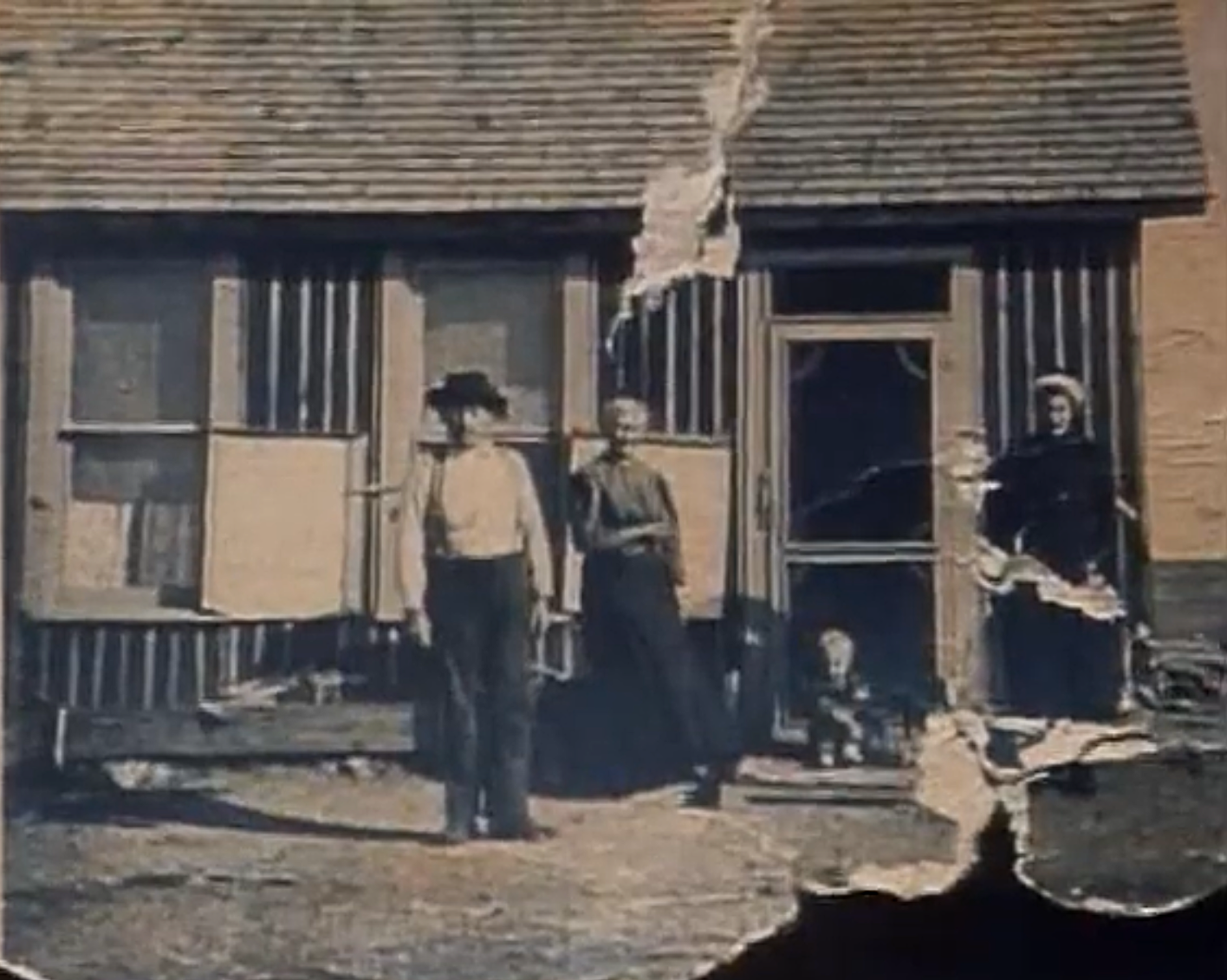
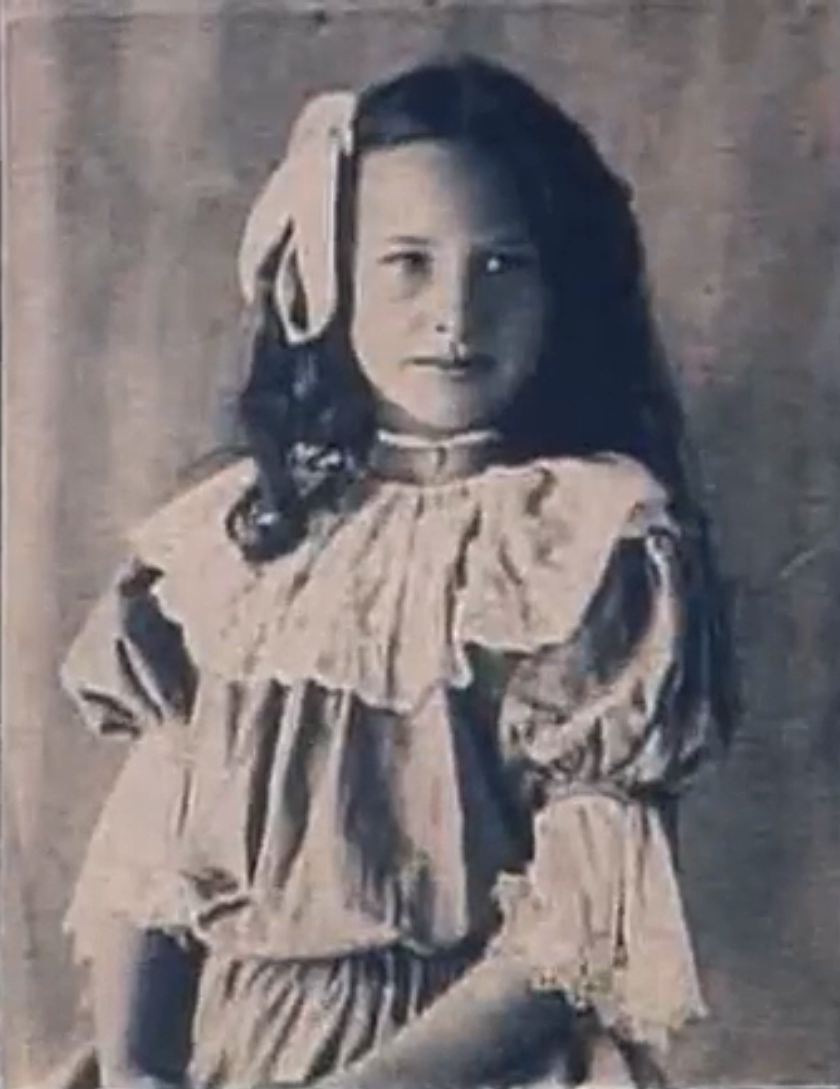
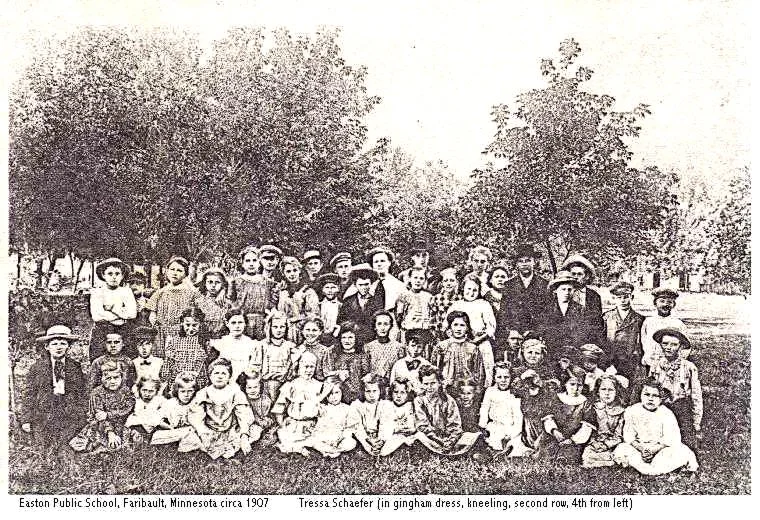
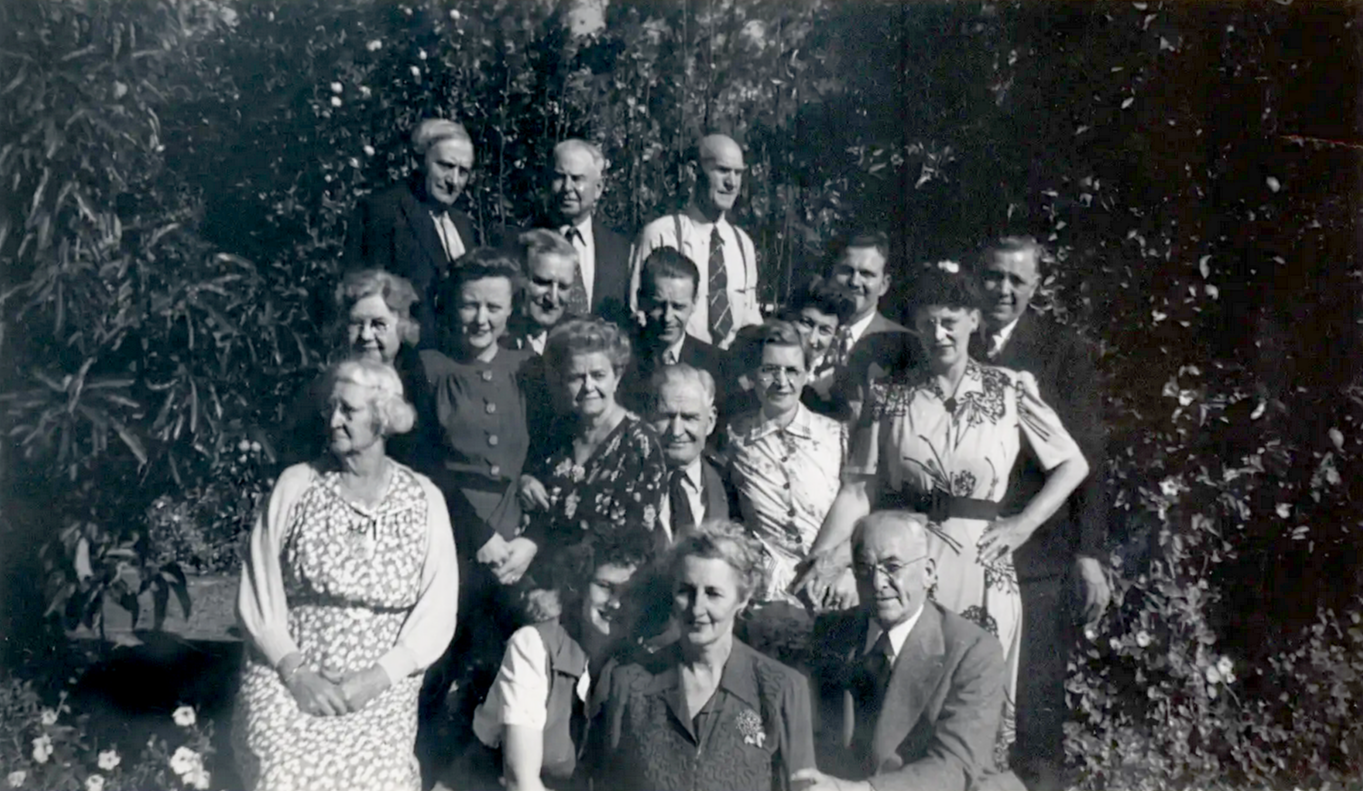
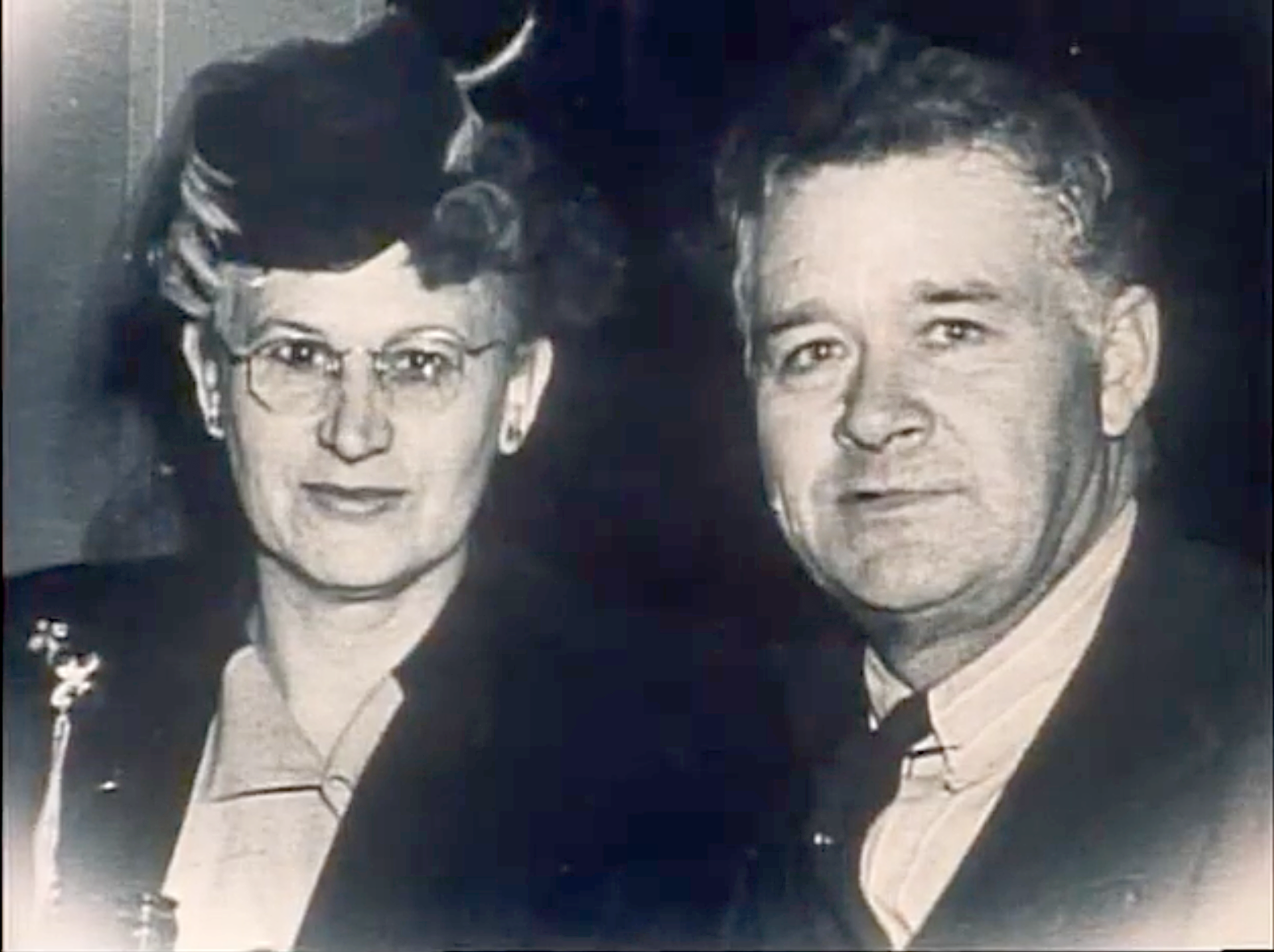
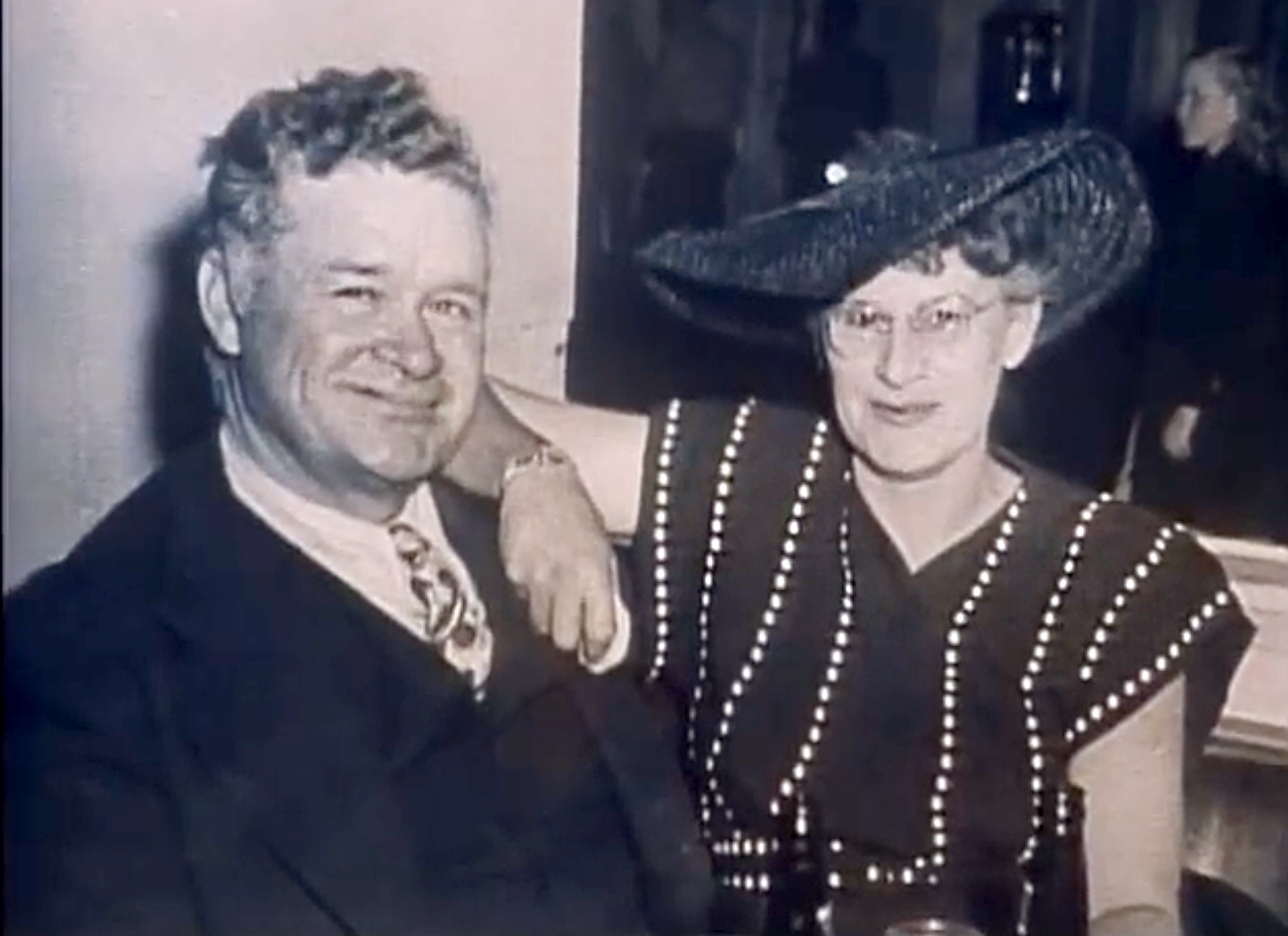
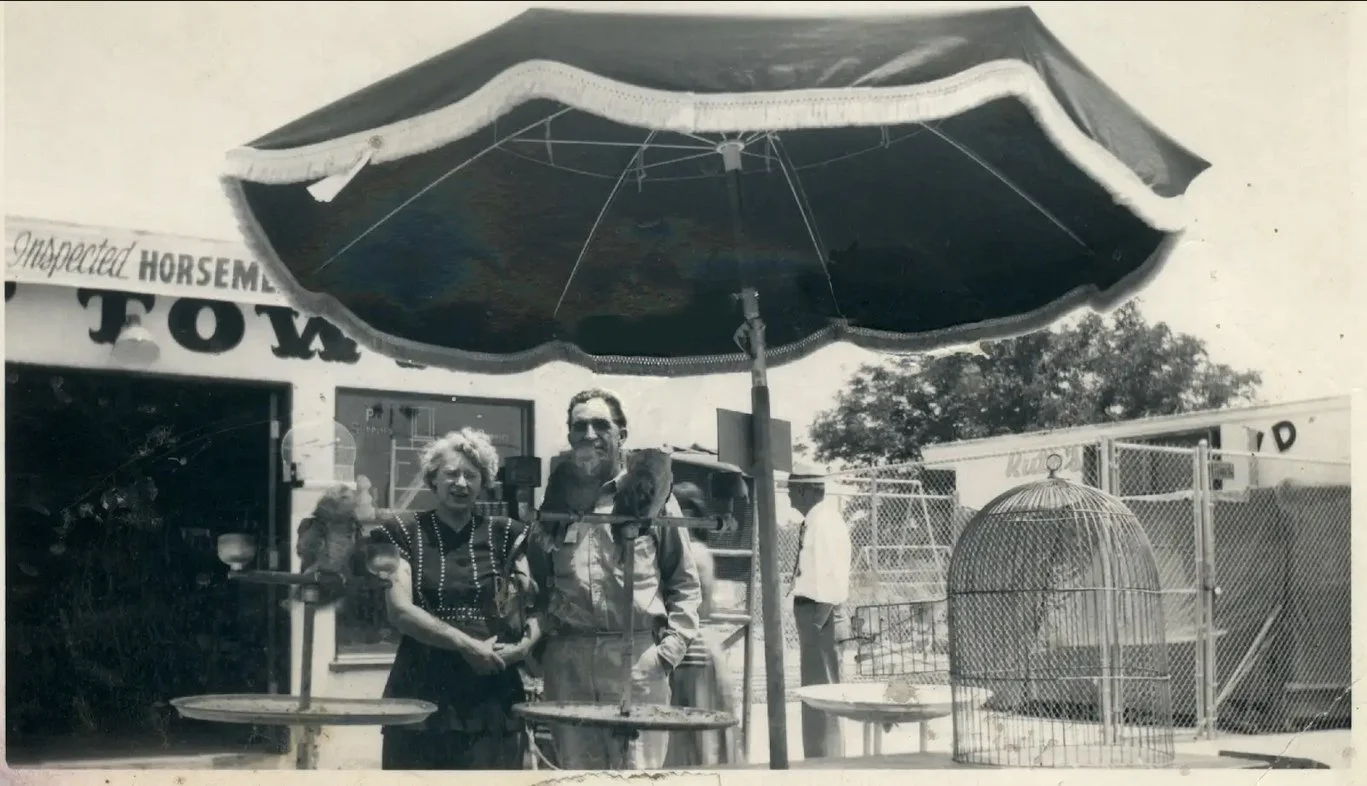
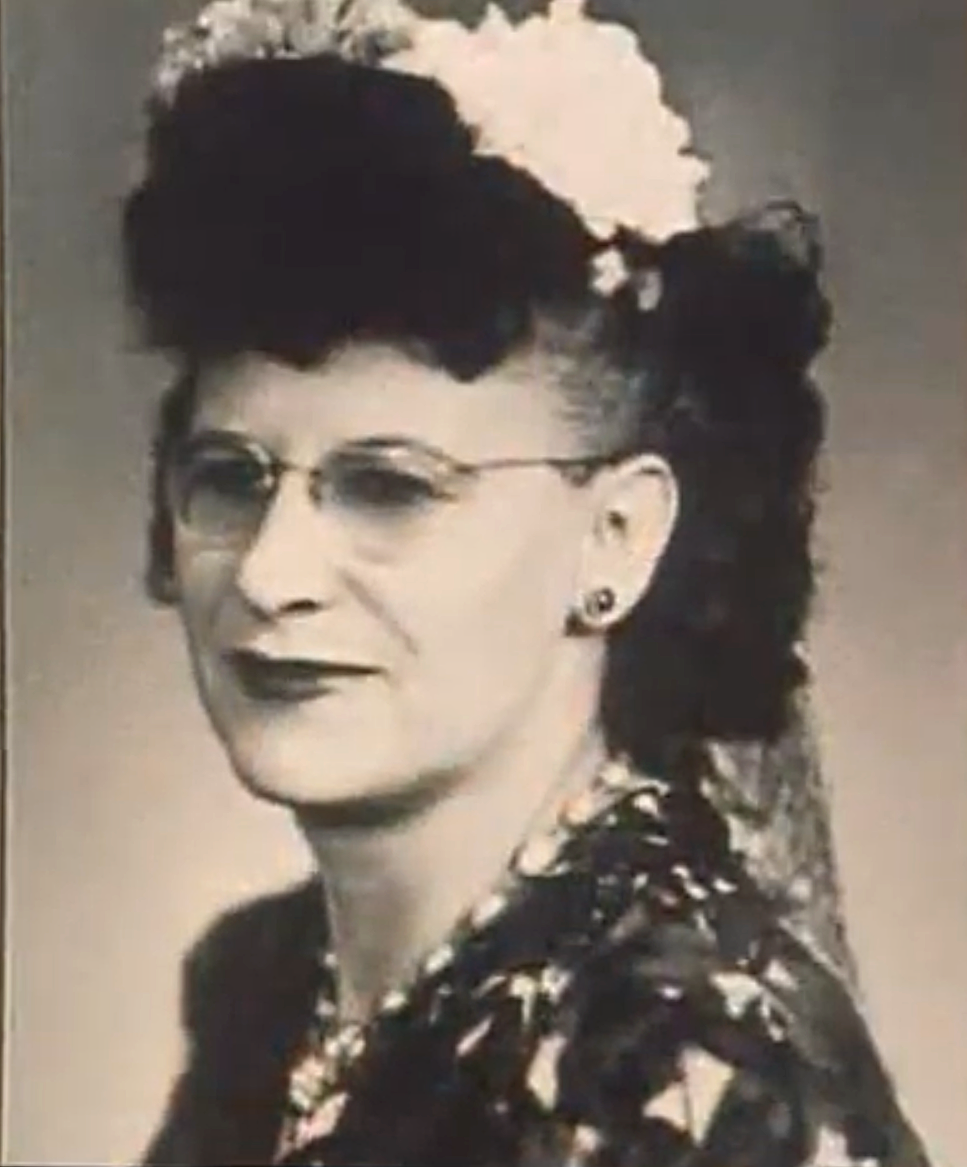
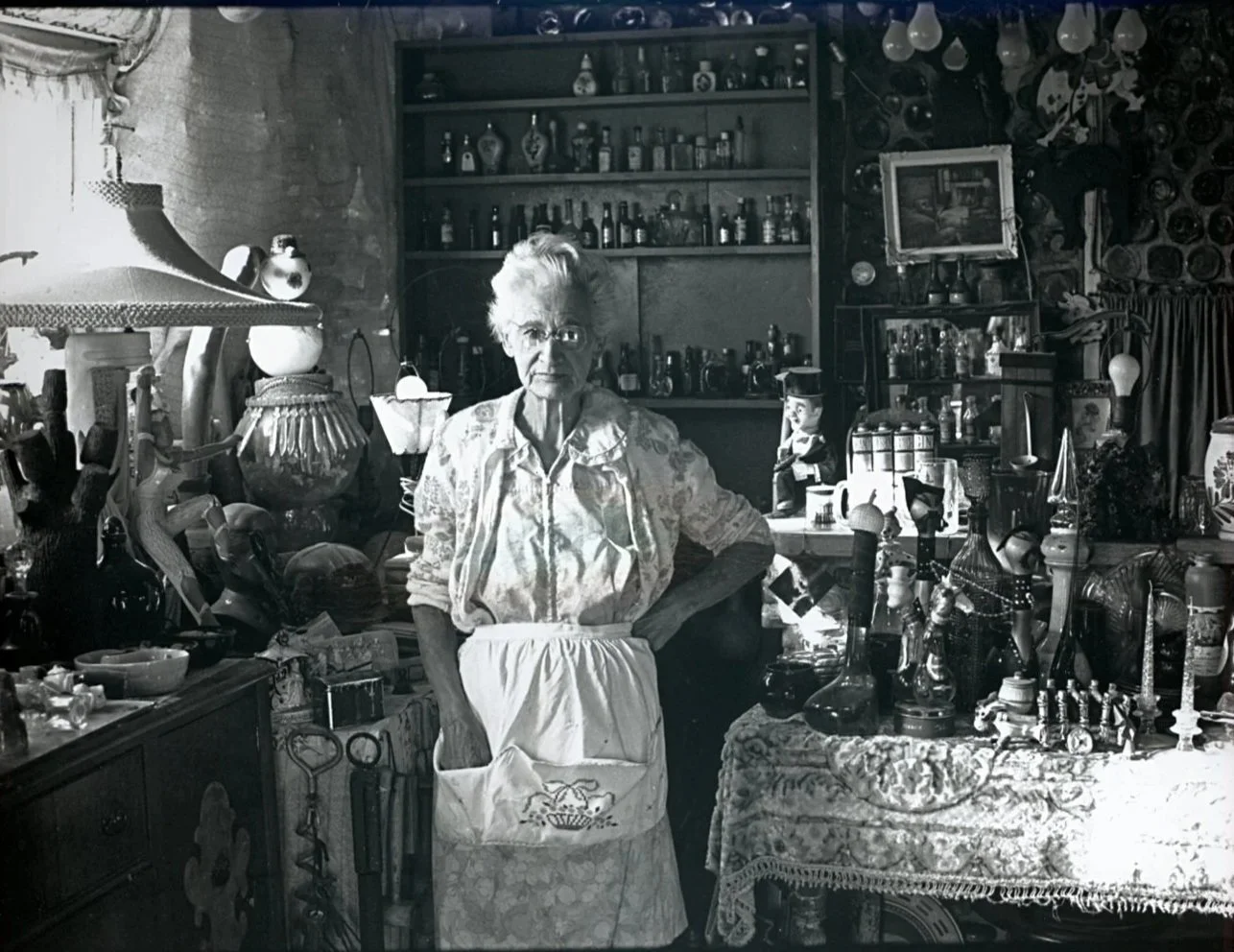
top to bottom, right to left in order
Birthplace homestead, Easton, Minnesota Circa 1900
Tressa portrait Circa 1905-1907
Class Photo 1907
Grandma and sister Hattie Hansen
(middle right) circa mid 1940’sGrandma and Fiance Actor Jack Kirk circa 1945-46
Tressa (Grandma) and Albert Prisbrey, circa 1950’s
Portrait Circa 1940's
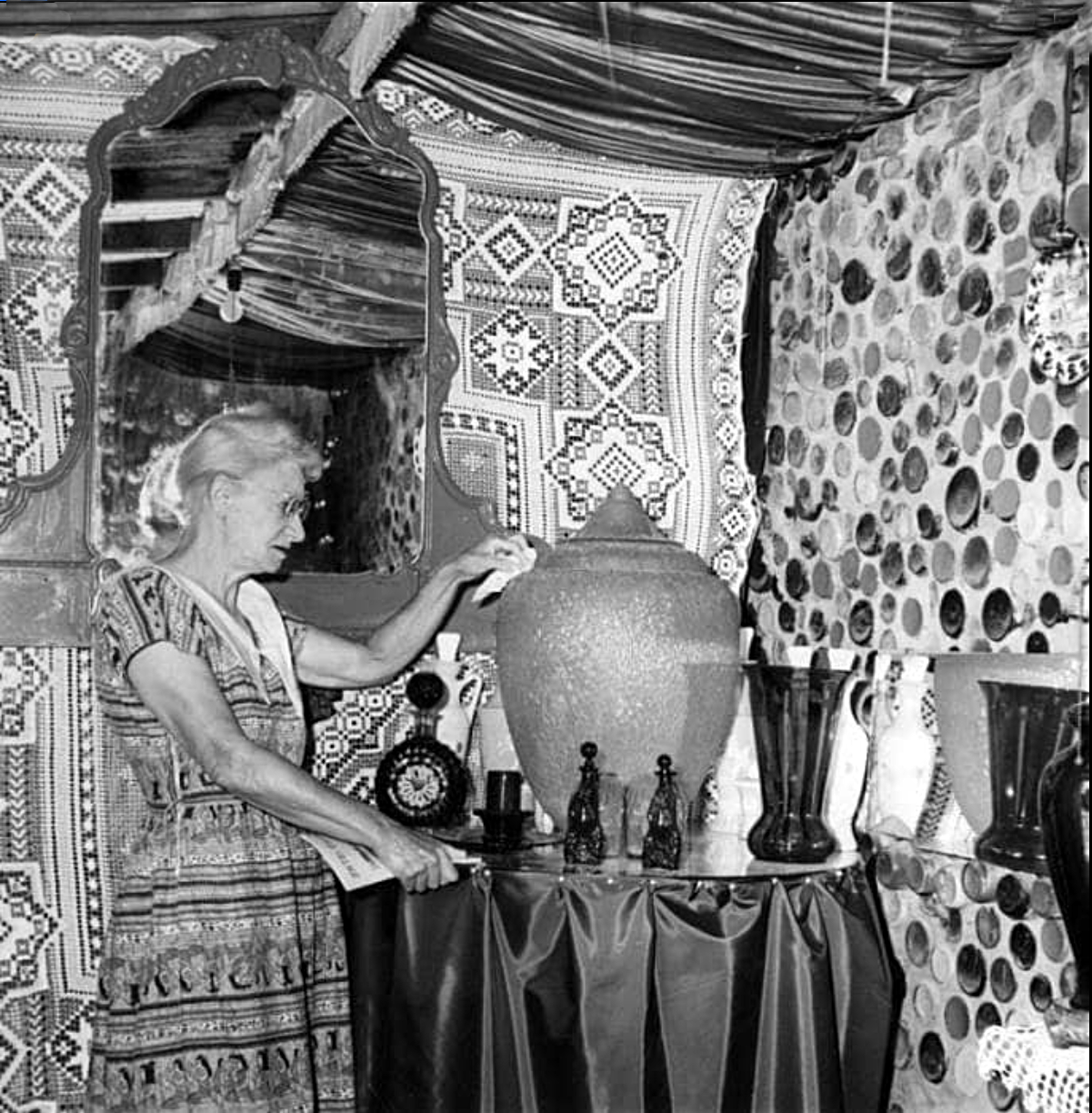
At Bottle Village Circa 1964
At Bottle Village Circa 1964
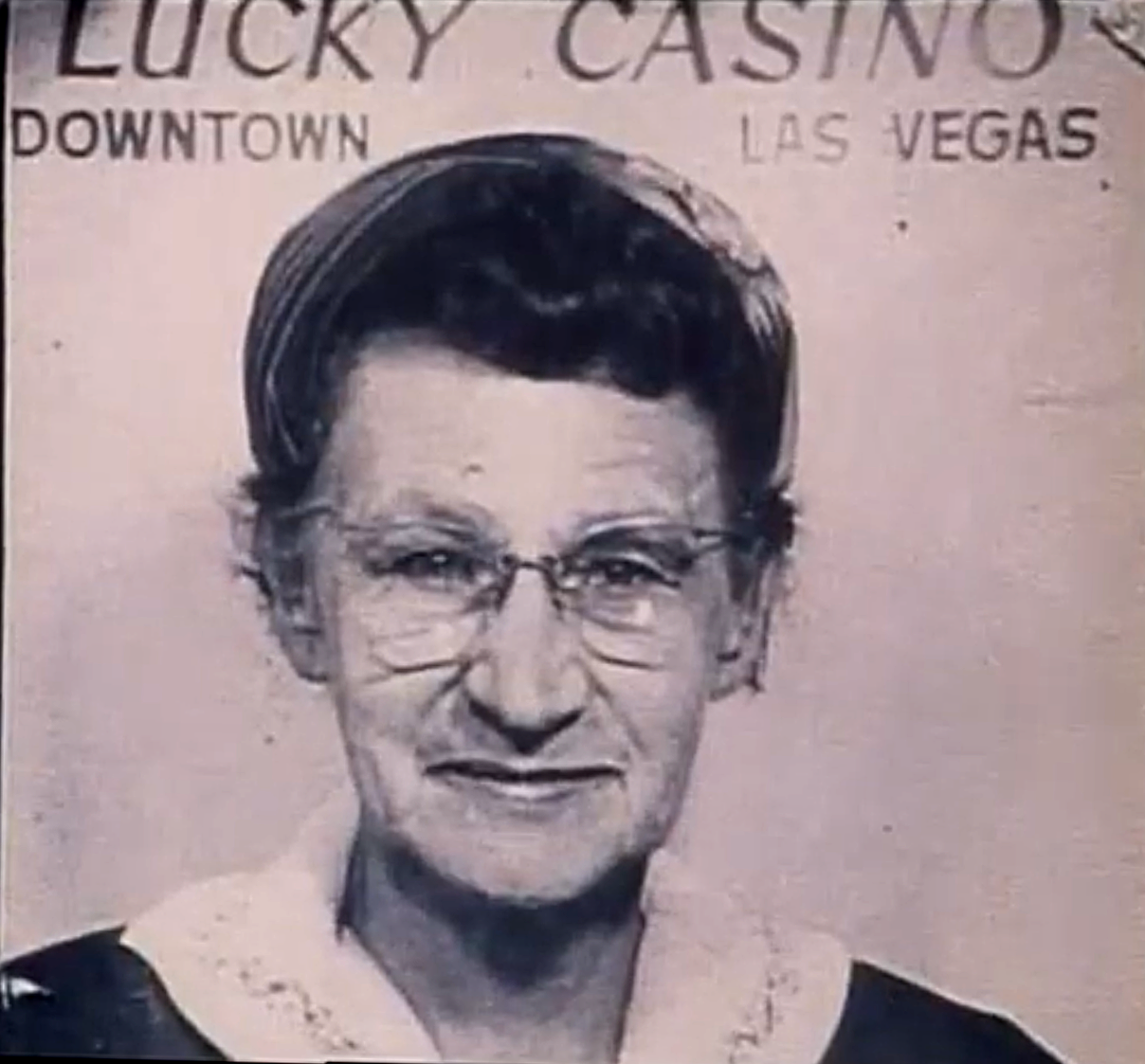
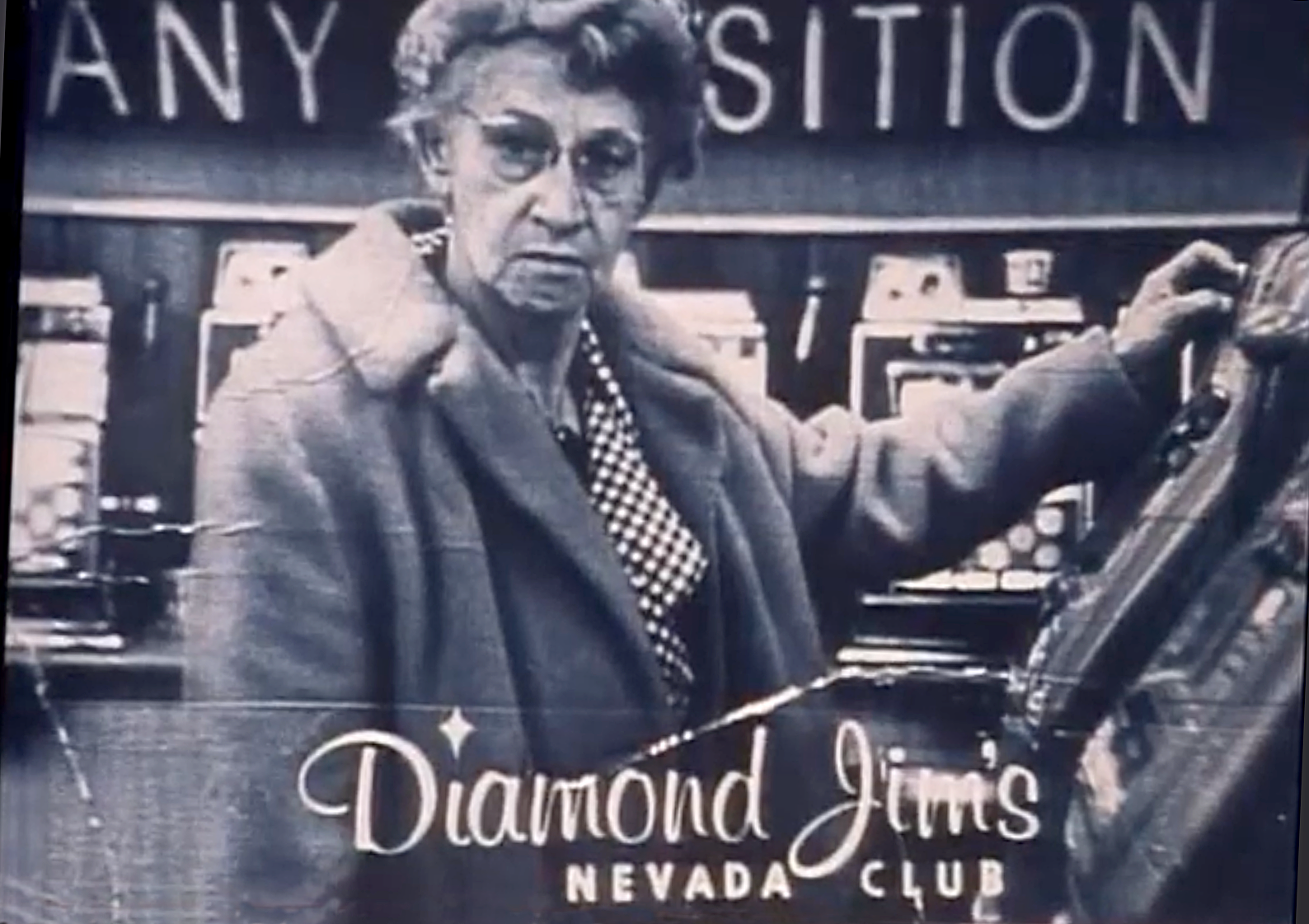
Las Vegas Circa early 1960’s
Las Vegas Circa early 1960’s
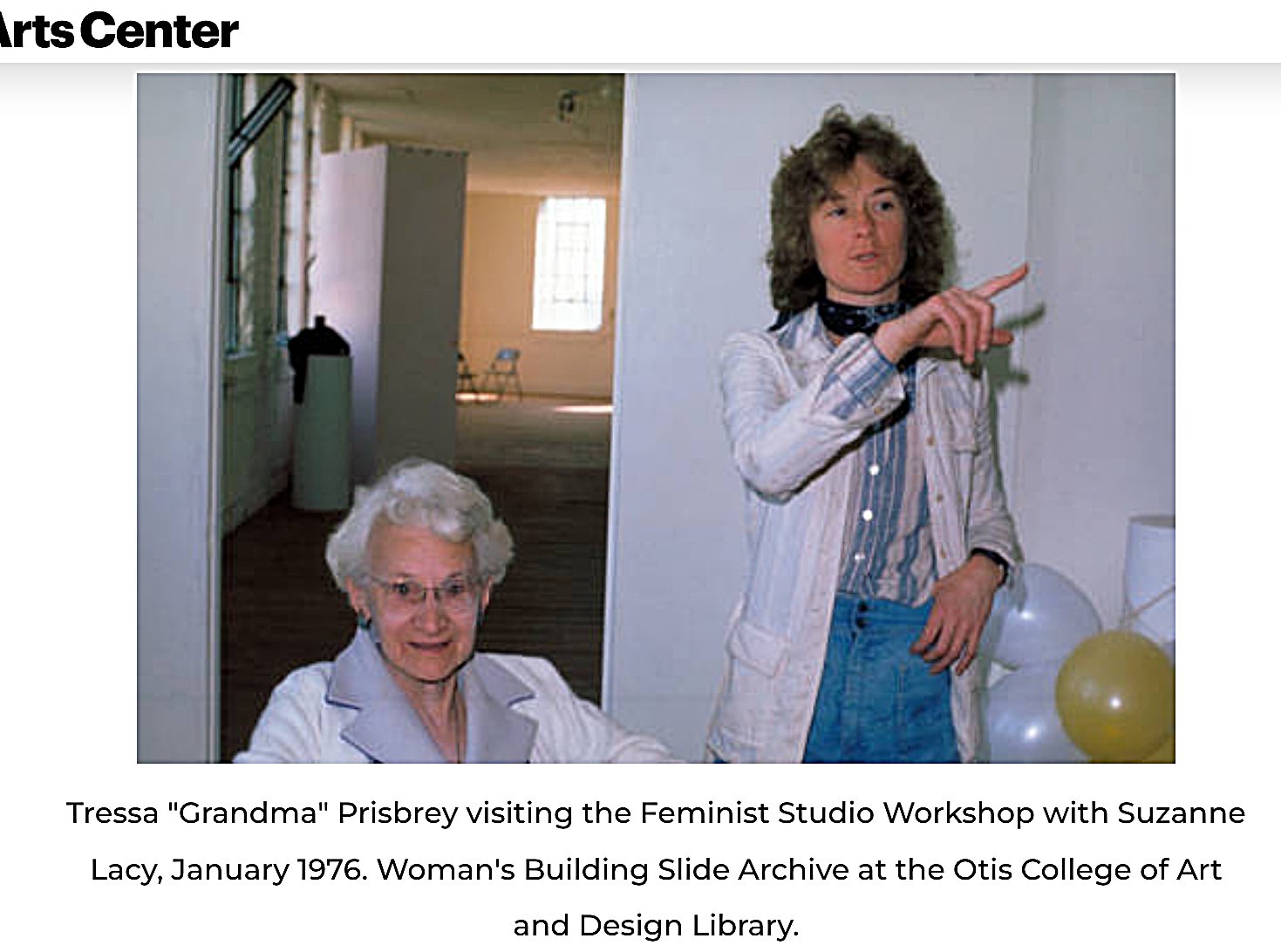
Feminist Studio Workshop, January,1976 photo: Sheila Ruth
Feminist Studio Workshop, March,1976 photo: Sheila Ruth
Womans Building Gallery, March,1976 photo: Sheila Ruth
Womans Building Gallery, March,1976 photo: Sheila Ruth
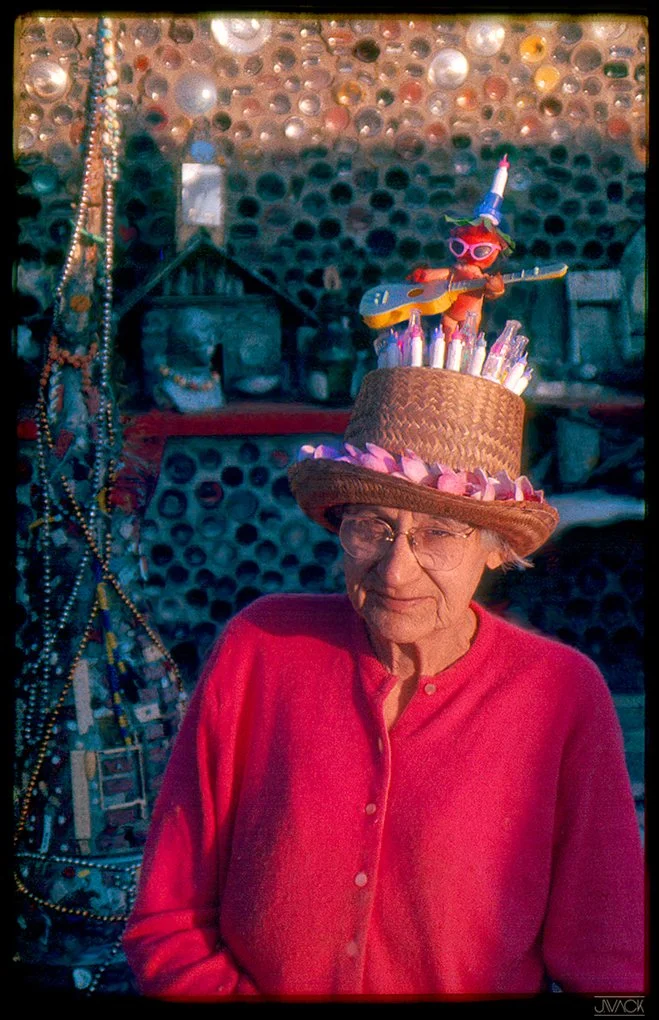
Grandma in her 80th Birthday Hat, 1976 photo: Jeff Wack
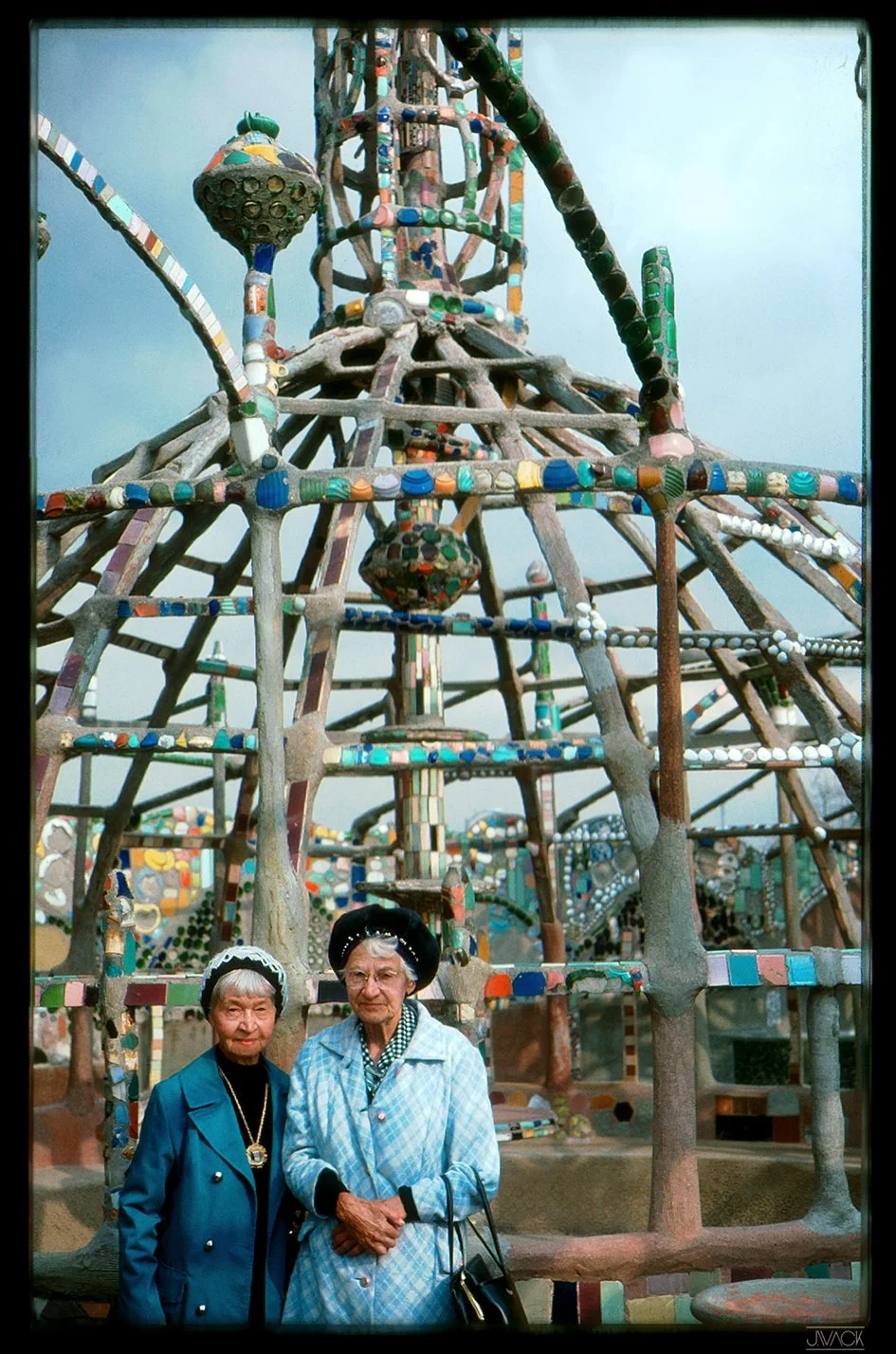
Grandma and sister Hattie Hansen at Watts Towers 1976. Photo: Jeff Wack
Bibliography
A selection from 100s of books and magazine articles on Bottle Village.
1960 Prisbrey, Tressa. Grandma's Bottle Village. Self-Published
1974 McCoy, Esther. Naives and Visionaries. New York: E.P. Dutton
1975 Linharas, Phil. "Grandma Prisbrey's Bottle Village". Current Art Magazine. Aug/Sep.
1977 Davidson, James Dale. An Eccentric Guide to the United States. New York: Berkley Publishers.
1978 Stern, Jane & Michael. Amazing America. New York: Random House.
1978 Kirsch, Johnathan. "Lost and Found Art". New West. May 8.
1979 Rosen, Seymour. In Celebration of Ourselves. Published in association with the San Francisco Museum of Modern Art. San Francisco: Hearst Corporation.
1979 Dewhurst, C. Kurt, Betty & MacDowell, Marsha. Artists in Aprons: Folk Art by American Women. New York: E.P. Dutton.
1980 Schuyt, Michael, George R. Collins et al. Fantastic Architecture. New York: Abrams.
1980 Quimby, Ian M. G. & Scott T. Swank (Ed.). Perspectives on American Folk Art. New York: W.W. Norton.
1982 Rubenstein, Charlotte Streifer. American Women Artists: From Early Indian Times to Present. New York: Avon Books.
1983 Crease, Robert & Charles Mann. "Backyard creators of art that say's 'I did it, I'm here'". Smithsonian. August.
1984 Ward, Daniel Franklin (ed.). Personal Places: Perspectives on Informal Art Environments. Bowling Green, Ohio: Popular Press.
1984 Moore, Charles, et al. The City Observed: Los Angeles. A Guide to its Architecture and Landscapes. New York: Vintage Books/Random House.
1984 Landau, Robert, John Pashdag. Outrageous L.A. San Francisco: Chronicle Books.
1985 Kaufman, Barbara & Didi Barrett. A Time to Reap. New York: Museum of American Folk Art.
1986 Barth, Jack et al. This Exit for Roadside America. New York: Simon & Schuster.
1986 Greenfield, Verni. Making Do or Making Art: A Study of American Recycling. MI: UMI Research Press.
1986 Rosen, Seymour & Louise Jackson et al. Cat and a Ball on a Waterfall. CA: The Oakland Museum (exhibition catalog).
1988 Danchin, Laurent. " Créateurs Singuliers aux U.S.A." Artension #5. Rouen, France.
1989 Rosen, Seymour. "An Art of Unpretentious Joy: Preserving America's Folk Art Environments," Arts Journal. Ashville, NC. September.
1991 Rosenack, Chuck & Jan. Museum of American Folk Art Encyclopedia of Twentieth Century American Folk Arts and Artists. New York: Abbeville Press.
1991 Scalora, Sal & John Turner. "Outside USA 1 Sieben Seelen: Visionare Gesamtkunstwerke" Kunstforum 112. March/April.
1992 editors of Time-Life. Odd and Eccentric People: Library of Curious and Unusual Facts. Alexandria, Virginia.
1993 Wilkins, Smith, and Kirby. The New Roadside America. New York: Simon & Schuster.
1995 Beardsley, John. Gardens of Revelation. New York: Abbeville Press.
1996 Headley, Gwyn. Architectural Follies in America. New York: John Wiley and Sons.
1996 Maizels, John. Raw Creation. London: Phaidon Press.
2004 Slaymaker, Melissa Eskridge. Bottle
Houses: The Creative World of Grandma Prisbrey. Henry Holt & Co.,
2017 Wojcik, Daniel. Outsider Art: Visionary Worlds and Trauma. University Press of Mississippi
2022 Hofer, Kathi. Kathi Hofer: Grandma Prisbrey's Bottle Village. Spector
2026 Hernández, Jo Farb. Architectural Fantasies: Artist-Built Environments. trapublishing
Photo Credits:
Robert Landau,1980
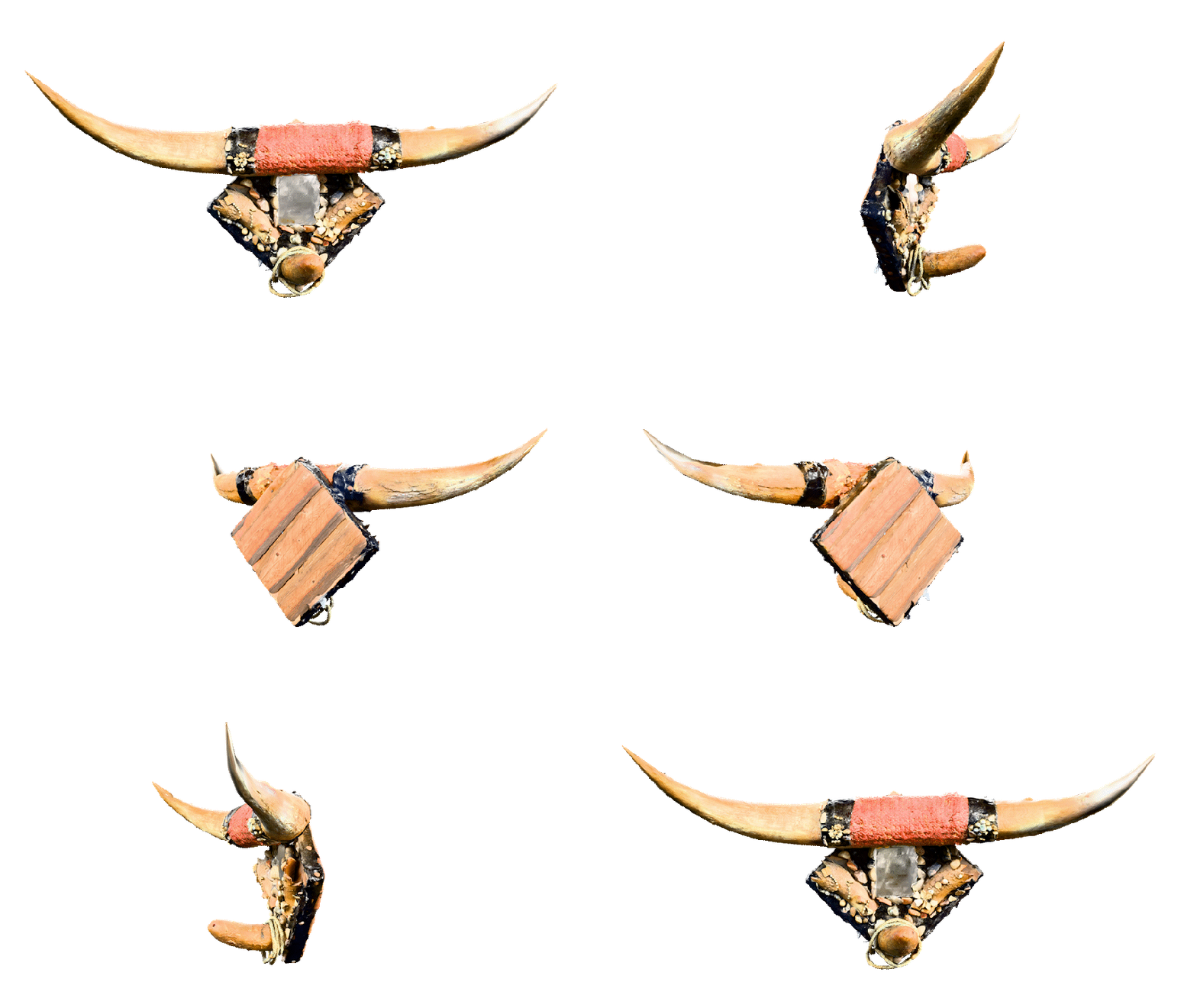
Jeff Wack, Chris Harrelson Animation 2026: Grandma Prisbrey “Cow Horns with Mirror”
James Smith Pierce, 1976